How AI may reshape who gets found, who gets chosen, and where the booking happens For close to two decades, research in this area has been interested in a simple but important question: how do travelers discover and book travel? …
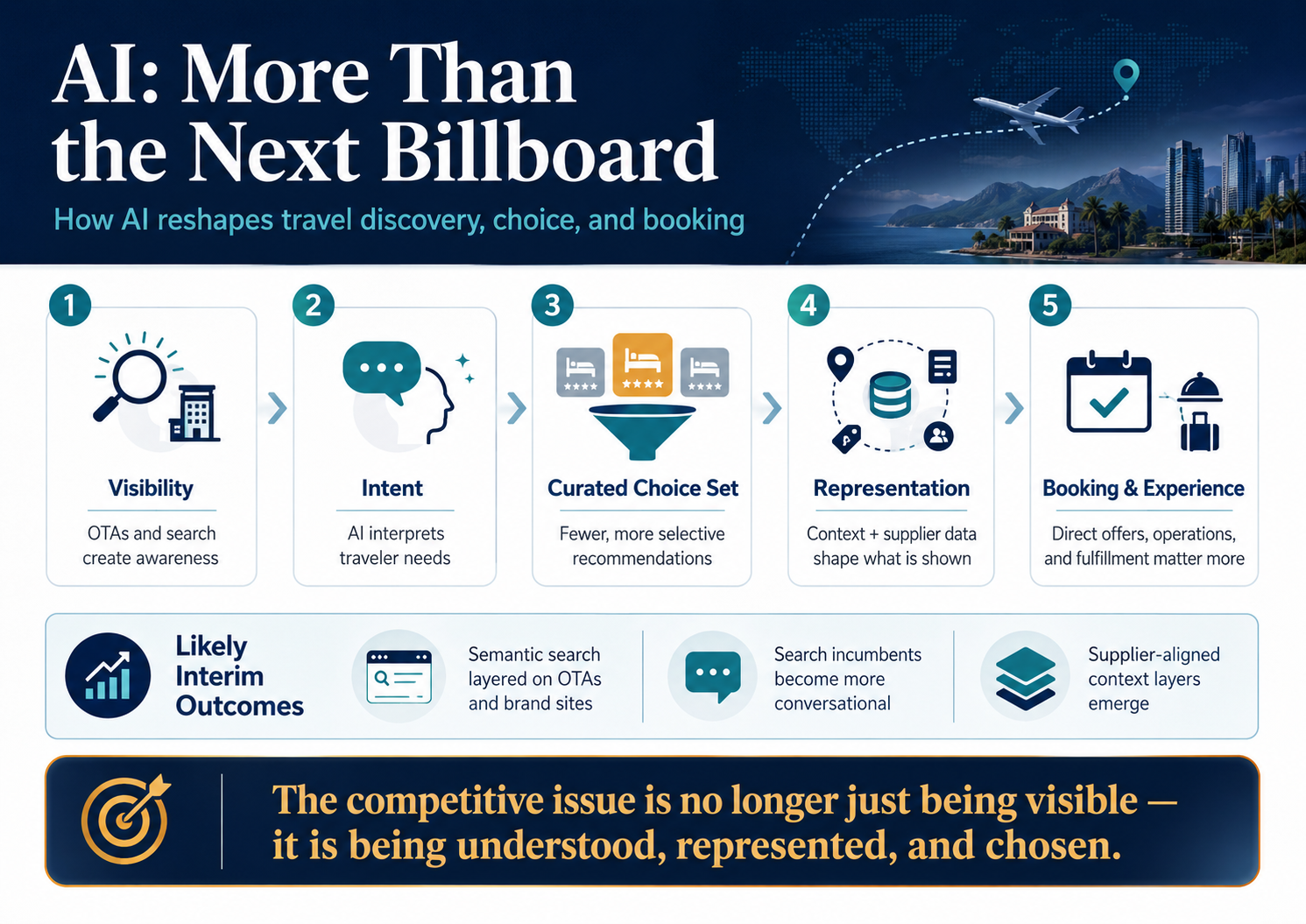

How AI may reshape who gets found, who gets chosen, and where the booking happens For close to two decades, research in this area has been interested in a simple but important question: how do travelers discover and book travel? …
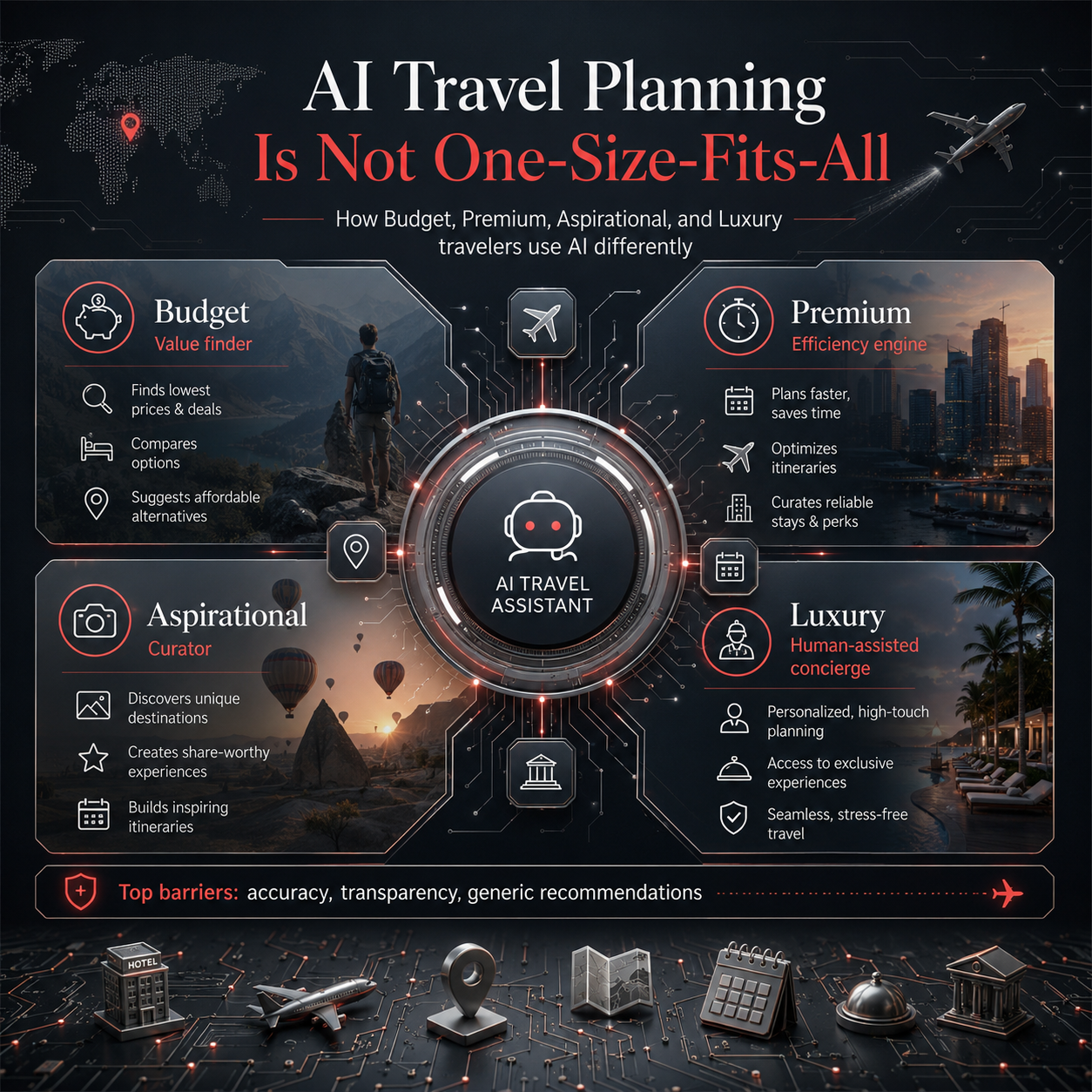
Generative AI is becoming part of travel planning — but travelers do not all want the same thing from AI. In a new Cornell Center for Hospitality Research report, Young Jang and I examine AI adoption in travel planning across …

I recently published the results of a field experiment that I ran with the help of ThinkReservations a hospitality tech stack solution provider. The full paper is available at the Cornell Quarterly with an AI summary below. Google Hotel Finder …

Pricing and Revenue Management (RM) has always been highly analytical in nature. In a couple of my early papers [1] [2] , I discussed how RM had the potential to serve as a strategic focus and source of competitive advantage …

All reviews are not created equal… In three recent papers I collectively suggest that online reviews in the hospitality industry are significantly affected by various biases stemming from customer motivations, firm strategies for collecting reviews, and the specific online platforms …
I first coined the term the Billboard Effect back in 2009[1] and then later validated it with a series of subsequent studies [2] [3] [4]. Hotels leverage OTAs (like Expedia, Booking.com, etc.) to increase their reach and visibility to potential …
Social media has been touted as having an increasingly important role in many aspects of the hospitality industry, including guest satisfaction and process improvement. However, one of the more intriguing aspects of social media is their potential to move markets …

Opaque selling is a pricing strategy where certain characteristics of the product or service, most notably the service provider’s identity, are hidden from the consumer until after the purchase has been completed. This approach first became popular in the travel …